
Continuous / frequentor long periods
1GINDUSTRIAL VENTILATION · ATEX GUIDE
Does your installation involve an explosive atmosphere?
Flammable gases, vapours or dust: start with the zoning defined for your site. It guides the equipment and marking to be considered.
Understand the essentialsVisual guide
From risk to the right marking
Follow the path: atmosphere, site zone, equipment category, then marking.
AtmosphereGas · vapours · dust
Site zoneDefined by site zoning
CategoryEquipment property
MarkingCheck it in full
Where and when can it occur?
Choose a medium to see its zone scale.
Occasionalduring normal operation
1G · 2GUnlikelyand brief if present
1G · 2G · 3GContinuous / frequentcombustible cloud
1DOccasionalduring normal operation
1D · 2DUnlikelyand brief if present
1D · 2D · 3DThe zone describes the location. It comes from the installation zoning document.
Which category should you check?
Category = equipment · G = gas · D = dust
1G / 1DHighest level of protection
0 · 202G / 2DEnhanced level
1 · 213G / 3DFor Zones 2 / 22
2 · 222GD · 3GDCombined marking: verify both gas and dust suitability
Important Product sheets below cover Categories 2 and 3. Zones 0 / 20 require Category 1.
Decode a marking
Select a token to understand its role.
II: equipment intended for surface industries.
LEARNING EXAMPLE · INCOMPLETE FRAGMENTMotor guide
Which motor marking for each zone?
Start with the zone listed in your site documentation, then check the complete motor nameplate and the conditions in its instructions.
Very high protection is required. A marking limited to Ex db, Ex eb or Ex ec is not sufficient for this zone.
Ex db: flameproof enclosure. Ex eb: increased safety. These protection types can correspond to EPL Gb when the certificate covers the motor and its use.
Ex ec: increased safety for EPL Gc. An EPL Gb motor may also be assessed for Zone 2 when the other parameters match.
Ex db IIC T4 Gb — learning example
Select each element: a real nameplate may include other codes and conditions.
Ex: equipment designed according to one or more explosion protection types.
The markings after the protection code matter too. Check gas or dust group, T / °C, Ta or Tamb (ambient), IP, voltage, frequency, speed and inverter use. Certificate suffix X signals specific conditions; U identifies a component rather than complete equipment. Case matters: db is a gas protection type, while Db is a dust EPL. A motor alone does not certify the assembled fan.
Ex eb, Ex db or Ex ec alone is never enough to select a motor: the complete nameplate, certificate, instructions, gas or dust, ambient temperature and fan assembly must match the application. Have the selection confirmed before ordering.
To assess your application
⌖Documented zone◌Gas / dust identified↗Airflow · pressure · temperature▣Marking and product sheet
These visuals provide general guidance: site zoning comes from the risk assessment, and each item’s complete marking must be checked for the application. Prevention guidance (INRS) ↗
Selection assistant
From site zone to fan + motor marking
Answer five steps. The result separates the target marking for the fan and its motor.
- 01Atmosphere
- 02Zone
- 03Substance
- 04Motor
- 05Result
1. Which atmosphere is listed in the zoning document?
Use the zoning document prepared for the installation.
2. Which zones are specified?
For a mixed atmosphere, select one zone for each type.
Gas / vapours
Dust
3. What are the substance characteristics?
Use the risk assessment or safety documentation; do not estimate these values.
4. Where is the motor, and which protection type is specified?
If the motor is in another zone, specify it. Select the project protection type or check its documentation.
5. Marking profile to specify
The result distinguishes the fan from the motor.
Target profile to confirm, not certification of an AIRAP model. Actual marking depends on the selected model certificate, instructions, assembly and operating conditions.
Step 1 of 5
Zoning comes from the installation risk assessment. In mixed atmospheres, gas and dust requirements remain separate. A calculated profile does not replace checking the complete assembly certificate.
Understand ATEX zoning and markings ↗Product sheets
Fans listed in the ATEX catalogue
Open a product sheet to review the characteristics and documents for that reference.
HC
Select a product sheet to view its reference details.
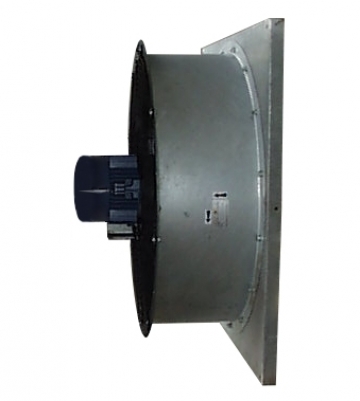
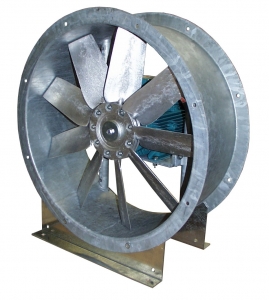
Axial fans
HC
Axial fan for duct installation, short HCC or long HCL casing with connection flanges, direct coupling.
View product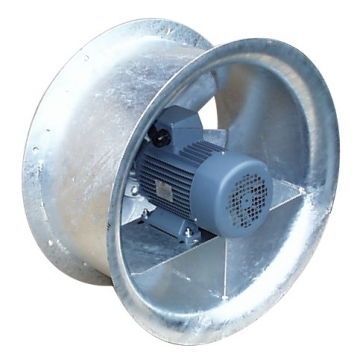
Axial fans
HC · with bellmouth
short HCCP or long HCLP bellmouth casing with connection flanges, direct coupling.
View product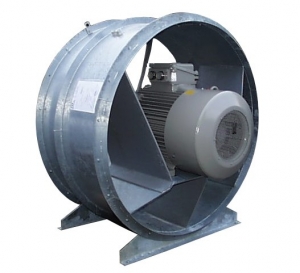
Smoke & gas extraction
HC 400°C/2H
smoke extraction · Commercial building ventilation short HCC or long HCL casing with connection flanges, direct coupling : F400 120 Impeller / propeller diameter : 400– 1600mm Flow : 0– 170000m3/h…
View productV-SOD
Select a product sheet to view its reference details.
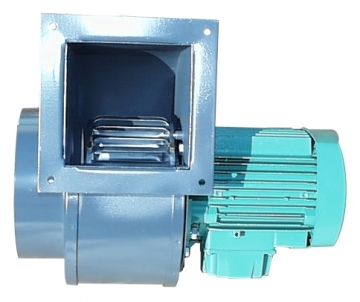
Centrifugal fans
V SOD
Single-inlet centrifugal fan, forward-curved impeller, TUE pressed blades, direct drive, spot-welded scroll housing, in galvanised steel, stainless steel, aluminium.
View productVP-SOD
Select a product sheet to view its reference details.
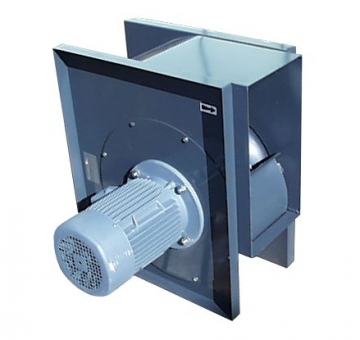
Centrifugal fans
VP SOD
Single-inlet centrifugal fan, with a high-efficiency forward-curved TURA impeller with attached blades, direct drive, spot-welded scroll housing, in galvanised steel, stainless steel, aluminium.
View productRoof fans
Select a product sheet to view its reference details.

Roof fans
JET
Explosive atmospheres · Industrial ventilation · Commercial building ventilation Centrifugal roof extractor, in polypropylene, vertical discharge Impeller / propeller diameter : 200– 300mm Flow :…
View product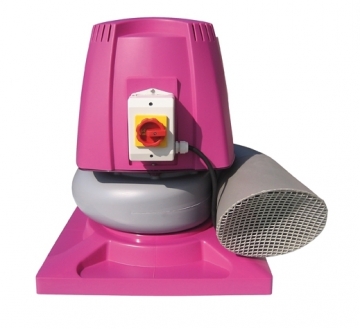
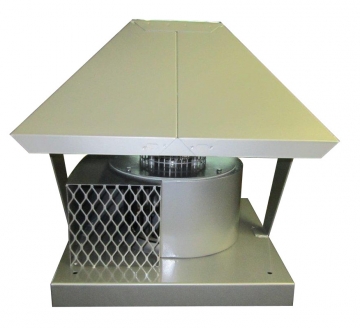
Roof fans
TE-V
Centrifugal roof extractor, in galvanised steel, stainless steel … Roof extraction.
View product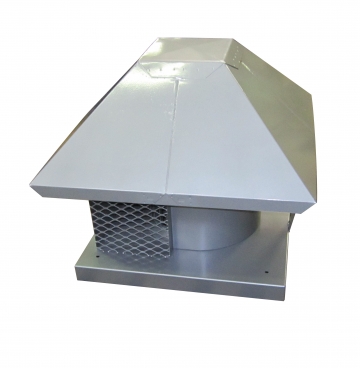
Roof fans
TE-VP
Centrifugal roof extractor, in galvanised steel, stainless steel … Roof extraction.
View product